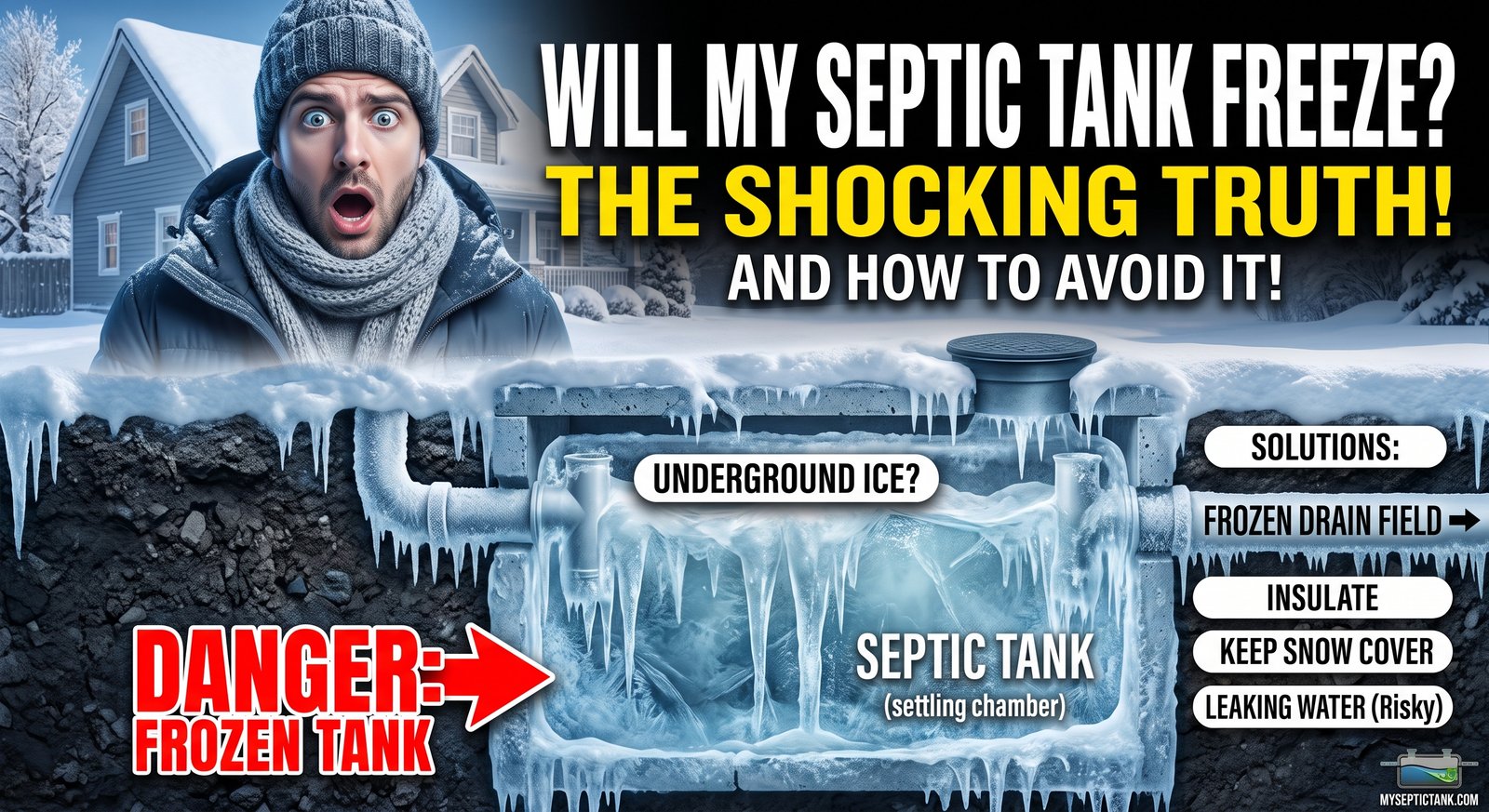
Will septic tanks freeze?
It’s a common misconception among homeowners that underground utility systems, including septic tanks, are automatically protected from freezing temperatures. The reasoning seems sound: they’re buried deep, and the soil acts as insulation.
However, the reality is far more serious. The urgent answer is yes, septic systems can and do freeze, and the consequences go far beyond a temporary inconvenience. A frozen septic system is a structural and financial catastrophe that can lead to raw sewage backing up into your home, expensive component failures, and even requiring a full system replacement costing thousands of dollars.
This article provides an in-depth exploration of why septic systems freeze and, more importantly, offers a comprehensive, actionable guide on how you can proactively prevent this winter disaster.
Understanding the Danger: Why Septic Systems Freeze
To effectively prevent freezing, it’s crucial to understand the mechanics at play. Septic systems, despite being underground, are vulnerable to extreme cold for several key reasons:

1. The End of Biological Activity
The core mechanism of a septic tank is biological digestion. The tank relies on billions of active, beneficial bacteria (anaerobic bacteria) to break down solids in the wastewater. While this process is anaerobic (without oxygen), it still requires temperatures above freezing to function efficiently.
As shown in the infographic section “Septic Tank (Settling Chamber),” extremely cold temperatures can render these essential bacteria inactive or cause them to go dormant. When this happens:
- Digestion Stops: The treatment process grinds to a halt, leading to a rapid accumulation of solids that would normally be broken down.
- Temperature Drops: The metabolic activity of the bacteria generates a small amount of heat that helps maintain the tank’s overall temperature. When this activity ceases, the wastewater temperature inside the tank drops much faster, making it far more susceptible to freezingsolid.
2. Shallow Buried Components
In many regions, especially those that experience deep frost penetration, septic system components are often not buried deeply enough to stay below the frost line. This is a primary factor identified in the guide as a “Sewer Line From House: High Risk Area for Pipe Blockage.” Shallow sewer lines running from the house to the tank can easily freeze, creating an immediate blockage. Other vulnerable components include:
- Inlet and Outlet Baffles: These critical internal components regulate water flow and are located near the top of the tank, a high-freeze-risk zone.
- Distribution Box (D-Box): If your system uses a D-Box to evenly distribute effluent to the drain field, this shallow component is highly susceptible to freezing.
3. Irregular System Use
The most significant risk factor for a frozen septic system is irregular use. Properties like seasonal cabins, vacation homes, or guest houses that are left vacant for extended periods during winter are extremely vulnerable.
A constantly used septic system benefits from the regular influx of warm wastewater (from showers, laundry, and dishwashing), which helps keep the system temperature elevated above the freezing point. When a system sits idle, this heat source is eliminated, allowing the static wastewater in the tank and lines to slowly succumb to the ambient cold ground temperatures.
4. Compacted Soil and Cleared Snow
Soil and snow act as natural insulators for underground systems. However, their effectiveness depends entirely on their condition. Compacting the soil over the tank or drain field (by driving vehicles over it, for example) destroys its insulating properties.
Leveraging natural snowpack is critical, yet many homeowners mistakenly shovel the snow off the septic tank lid or drain field, removing this essential natural insulation layer. This is a counterintuitive but vital point highlighted in the guide’s solutions.
Comprehensive Prevention Checklist: Actionable Steps for Homeowners
Don’t wait until the deep freeze hits to worry about your septic system. Prevention is infinitely easier and cheaper than dealing with a frozen system. Follow this comprehensive checklist to winterize and protect your system.
I. Early Fall Preparation (The Critical First Step)
- Schedule a Professional Inspection and Pumping: This is the single most important action you can take. Have your system inspected and, crucially, pump the tank before winter. A system full of solids is significantly more prone to freezing as it reduces the volume of liquid (warm) wastewater and leaves less room for biological activity.
- Repair All Leaks: Even a tiny, continuous drip from a faucet or a running toilet can leak a steady stream of cold water into the septic tank, lowering the overall temperature over time. Fix all plumbing leaks immediately.
- Drain External Lines: Ensure all external water lines, such as those for irrigation systems, are fully drained and blown out.
II. Advanced Insulation Strategies: Creating a Thermal Barrier
While soil provides some insulation, it’s often not enough. Adding targeted insulation can make a dramatic difference. Do not just pile extra dirt over the system. Use specific, appropriate materials.
- Leverage Natural Snowpack: As stated, do not shovel snow off the septic system components. Allow the natural snow to accumulate, as it is one of the most effective and free insulation methods available. If snow cover is sparse, proceed to artificial methods.
- Artificial Insulation:
- The Gold Standard: Foam Boards: Use closed-cell polystyrene foam boards (often colored blue or pink). This type of foam is waterproof and has a very high insulating value (R-value).
- Application: Place these foam boards over the septic tank lid, the distribution box, and along the entire path of the sewer line, especially where it is buried shallowly. Note: For the sewer line, you can bury the foam a few inches below the surface.
- Temporary Cover: Mulch, straw, or hay can be used as a temporary cover, but foam boards are far more durable and effective.
III. Winter Operating Habits: Using Your System Intelligently
How you use your septic system during the winter significantly impacts its vulnerability.
- Consistent, Frequent Use: Encourage regular, consistent use of warm water. Regular showers, laundry loads, and dishwashing help infuse the system with warm water and keep biological activity stimulated.
- Avoid Massive Water Loads: Explicitly clarify the warning about “no massive surges.” While consistent use is good, doing weeks’ worth of laundry in a single day is bad. This massive surge of water can hydraulically overload the system, flush beneficial bacteria out of the tank before they can break down waste, and temporarily drop the tank temperature significantly, making it more susceptible to freezing.
- Mind Your Additives: Do not use harsh chemical drain cleaners, excessive bleach, or antibiotic soaps. These kill the bacteria necessary for digestion (which helps with heat generation) and can damage the system.
IV. Vacation Home and Cabin Winterization (Specific Advice)
If a property will be unused for the winter, the septic system must be winterized correctly.
- Pump the Tank: Many professionals recommend pumping the tank before closing the property for the winter.
- Add RV Antifreeze: For drains and toilets, add specific RV antifreeze (pink) to the traps. Never use automotive antifreeze (green), which is highly toxic and can cause catastrophic failure of the septic system’s biology and contaminate groundwater.
- Heavey Insulation: Pay extra attention to insulating the tank lid and all shallow lines before you leave.
Emergency Response: What to Do If Your System Freezes
Despite your best efforts, extreme conditions can sometimes win. Recognizing the signs and acting correctly is crucial.
Signs of a Frozen Septic System:
- Slow-draining sinks or showers.
- Gurgling sounds in the pipes when flushing toilets.
- Sewage backup or bubbling into sinks or toilets.
- Sewage odors inside the house or around the tank/drain field.
- Visible ice formation or a strange dome of ice/frost over the drain field in winter.
Immediate Action Plan:
Step 1: STOP ALL WATER USE IMMEDIATELY. This is the most critical step to prevent raw sewage from backing up into your home. This means no showers, no laundry, and no flushing toilets unless absolutely necessary.
Step 2: Do NOT DIY. The temptation to try and thaw the system yourself can be strong, but do not succumb to it. Attempting to thaw a septic system with open flames, space heaters, or by pouring boiling water or automotive antifreeze down the drain is incredibly dangerous and can:
- Cause components to crack or burst due to rapid temperature changes.
- Create an explosion risk from trapped gases (methane).
- Introduce toxic chemicals that will destroy the bacterial biology of the tank.
Step 3: Call a Professional. Contact a certified septic maintenance and pumping service immediately. They have specialized equipment (such as steam-thawing systems and hydro-jetters) designed to safely thaw frozen pipes and tanks. They will also be able to diagnose the specific cause of the freeze and recommend long-term prevention strategies, such as adding permanent insulation or re-burying shallow lines.
Conclusion
A frozen septic system is a severe, expensive, and stressful catastrophe that is entirely preventable. By understanding the underlying causes and implementing the comprehensive prevention strategies outlined in this guide—especially prior pumping, targeted insulation, and intelligent usage habits—you can protect your home, your wallet, and your peace of mind from a devastating winter catastrophe. Remember, the key to a worry-free winter is to prepare your septic system before the first deep freeze arrives.