Septic Tank Bacteria explained:
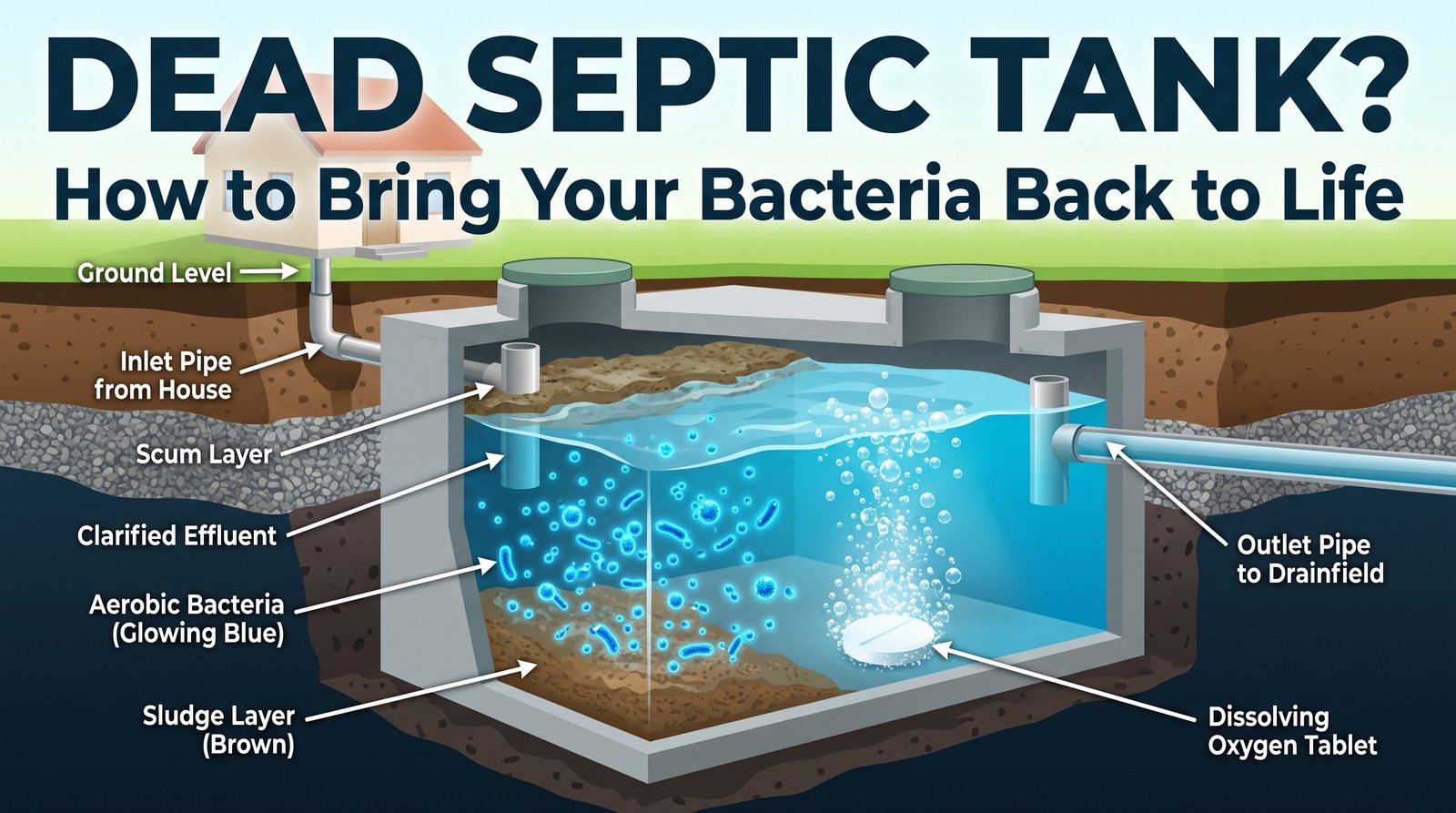
A septic tank is not a passive holding container; it is an active, living bioreactor. The entire process of household wastewater treatment relies on microscopic organisms to digest solid waste, purify effluent, and protect the fragile drain field. If the bacterial colony inside a septic tank dies, the system ceases to function, leading to rapid sludge accumulation, foul odors, and eventual backyard flooding.
Quick Facts: Septic Tank Bacteria Biology
- Primary Bacteria Type: Anaerobic bacteria (organisms that live and digest waste without oxygen).
- Optimal pH Range: Septic bacteria thrive in a neutral pH environment between 6.8 and 7.5.
- Digestion Rate: A healthy bacterial ecosystem can break down up to 50% of incoming organic solids.
- Lethal Threats: Bleach, chemical drain openers, liquid fabric softeners, and antibiotic medications are highly toxic to the tank’s biome.
Understanding the difference between the types of bacteria in your tank, how daily household habits destroy them, and when to use targeted biological additives like Septifix, is the key to avoiding a $15,000 drain field replacement.
The Two Types of Septic Bacteria: Anaerobic vs. Aerobic
The environment inside a septic tank dictates which type of bacteria will dominate.
1. Anaerobic Bacteria (The Default Workforce)
By design, a standard residential septic tank is dark, sealed, and lacks free-flowing oxygen. This creates an environment where anaerobic bacteria dominate.
- How they work: These bacteria consume organic carbon from toilet paper, food particles, and human waste without requiring oxygen.
- The downside: Anaerobic digestion is naturally very slow. As a byproduct of their digestion, they produce hydrogen sulfide (the classic “rotten egg” sewer smell) and methane gas.
2. Aerobic Bacteria (The High-Speed Digesters)
Aerobic bacteria require dissolved oxygen to survive. They do not naturally exist in high numbers inside a sealed septic tank, but they populate the oxygen-rich soil of the drain field to provide the final stage of effluent purification.
- How they work: Aerobic bacteria digest waste up to 20 times faster than anaerobic bacteria and do not produce foul-smelling sulfur gases.
- The application: Introducing aerobic conditions into the primary tank is the core technology behind advanced aerobic treatment units (ATUs) and modern oxygenating additives like Septifix.
5 Things That Kill Your Septic Tank Bacteria
Homeowners routinely flush substances that trigger a mass die-off of the tank’s biological workforce. When the bacteria die, the tank simply fills with raw, undigested sludge.
- Bleach and Disinfectants: Pouring concentrated bleach or heavy-duty household disinfectants down the drain sterilizes the tank. Even small, frequent doses of toilet bowl cleaners containing bleach will suppress bacterial reproduction.
- Chemical Drain Openers: Caustic liquid drain openers (typically containing lye or sulfuric acid) instantly alter the pH of the tank, causing massive bacterial casualties. Always use a mechanical snake or plunger instead.
- Antibacterial Hand Soaps: Heavy, repeated use of triclosan or other antibacterial agents in hand soaps and body washes counteracts the necessary bacterial growth in the septic environment.
- Liquid Fabric Softener: The synthetic fats and quaternary ammonium compounds in liquid fabric softeners are highly toxic to microbial life and coat organic matter, preventing digestion.
- Prescription Medications: Flushing unused antibiotics or chemotherapeutic drugs, or high concentrations entering the tank through normal bodily waste, will eradicate both anaerobic and aerobic bacteria.
How to Restore a Dead Tank: The Role of Additives
When a tank is healthy, human waste provides all the natural bacteria the system needs. However, if your tank has suffered a biological shock—evidenced by sudden sulfur odors, slow drains, or a rapidly thickening sludge layer—natural recovery can take months.
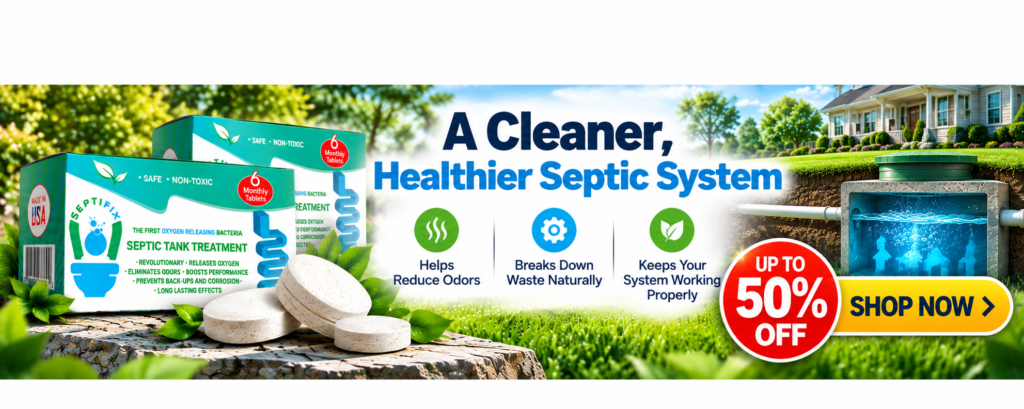
This is where targeted biological additives are used to rescue the biome. While traditional enzymes (like Rid-X) slowly break down paper in an anaerobic state, modern treatments like Septifix engineer a complete biological reset.
The Septifix Advantage: Oxygenation and pH Control
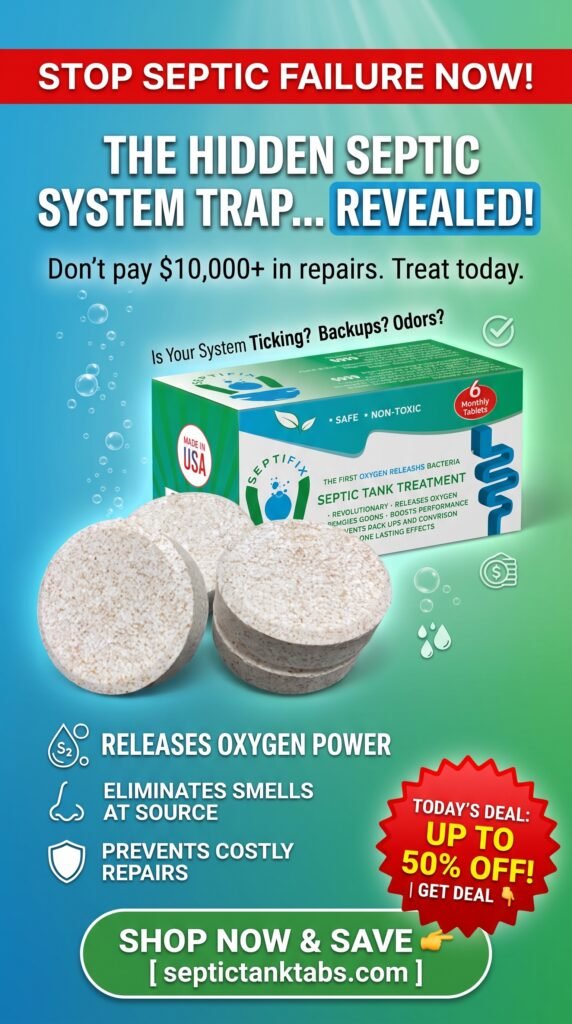
When a tank is overwhelmed by chemicals or failing to digest solids, the environment usually becomes highly acidic and entirely devoid of oxygen. Septifix is designed to counteract both conditions simultaneously through solid tablet technology.
| Septifix Mechanism | How It Restores Tank Biology |
| Micro-Oxygenation | The effervescent tablet sinks into the bottom sludge and releases oxygen bubbles for 3 to 5 days. This temporary oxygenation jumpstarts the growth of high-speed aerobic bacteria right at the sludge layer, rapidly breaking down compacted solids that anaerobic bacteria cannot process. |
| Alkaline Buffering | Chemical cleaners often drive the tank’s pH down to acidic levels (pH 5.5 to 6.2). Septifix contains mineral salts that neutralize acids, bringing the tank water back up to the optimal 6.8 to 7.5 pH range required for natural bacterial reproduction. |
| Odor Eradication | The dissolved oxygen chemically binds with hydrogen sulfide gases, neutralizing the sulfur molecules. This stops severe sewage smells at the chemical level within 48 hours, rather than masking them with perfumes. |
->Buy Septifix here<-
The Verdict: Do You Need Bacteria Additives?
A septic system operating strictly under the “3 P’s” rule (Pee, Poo, and Toilet Paper) with natural cleaning products (vinegar, baking soda) rarely requires additives. The human digestive tract supplies a constant stream of bacteria.
However, if your household frequently uses strong cleaners, experiences high laundry volumes, or you notice foul odors radiating from your yard, your bacterial colony is likely compromised. In these scenarios, utilizing an oxygenating and pH-balancing tablet like Septifix provides the necessary shock-treatment to aggressively digest excess sludge, eliminate odors, and restore the biological balance before the undigested solids can destroy your drain field.
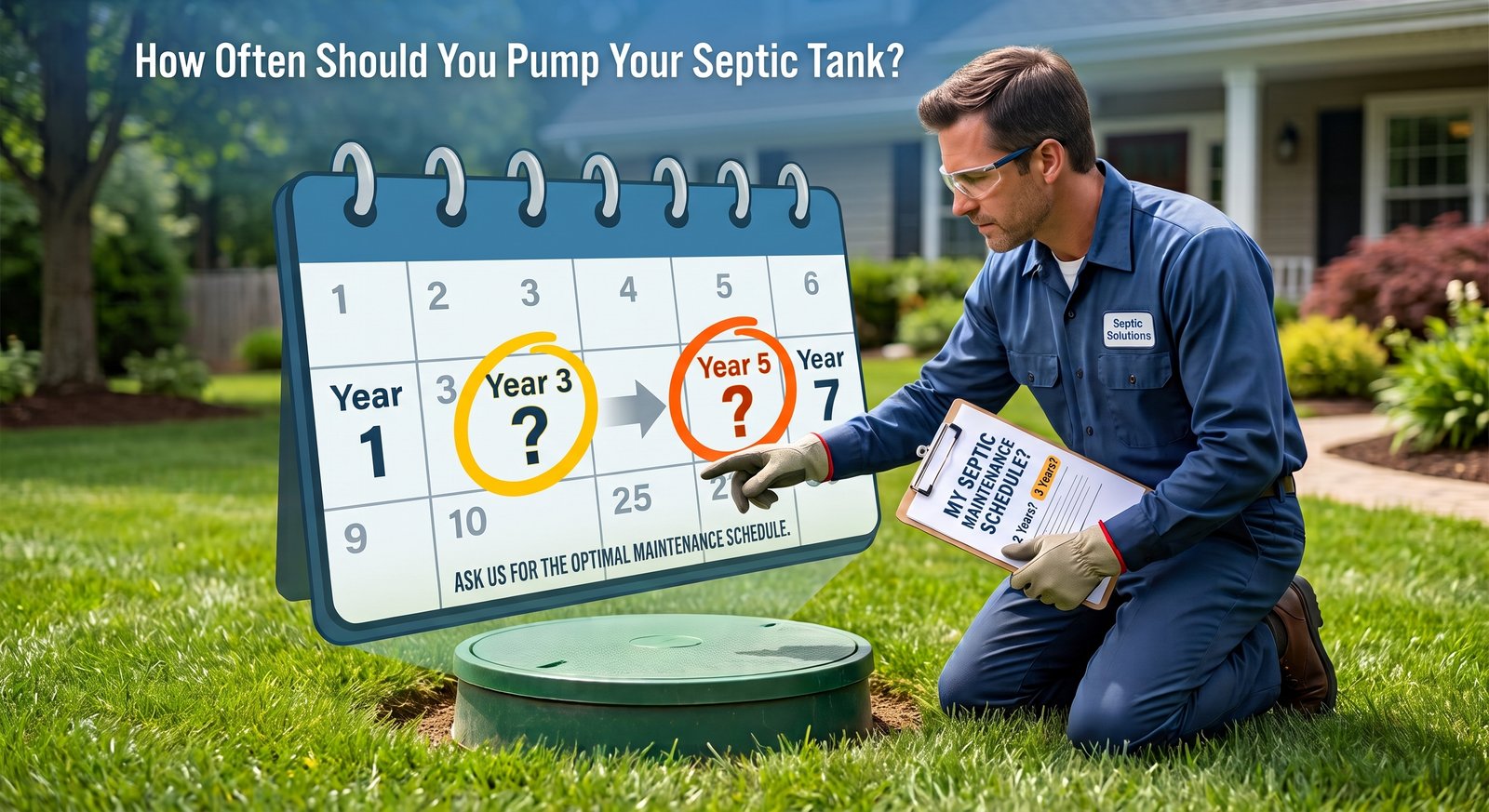
Note: No bacteria additive, enzyme, or oxygenating tablet eliminates the need for mechanical pumping. Every residential septic tank must have inorganic ash and non-digestible solids physically pumped out every 3 to 5 years.