How to Get Rid of Septic Tank Smell (Inside & Outside)
Septic tank smells are more than just annoying – they are often an early warning sign that something is wrong with your system. In this guide, you will learn how to find the source of the odor, fix common problems yourself, and when to call a professional, plus how biological tablets like Septifix can help keep smells away longer.
Is the Smell Inside or Outside?
The first step is to figure out where the odor actually comes from. This will tell you which part of the system you should focus on.
Ask yourself these questions:
- Do you mainly notice the smell in certain rooms, like the bathroom, kitchen, or basement? Then the issue is often inside the house, for example in the drains or venting.
- Does the smell get stronger when you walk near the septic tank, covers, or drain field outside? Then the source is usually the tank itself or the soil around it.
Take a slow walk around your home and yard and try to pinpoint the strongest area of odor. This simple check already narrows down the possible causes.
What Causes Septic Tank Smell?
A septic system naturally produces gases as waste breaks down, but you should not be able to smell them if everything is working correctly. The most common causes of septic smells are:
- Anaerobic decomposition
When there is not enough oxygen in the tank, waste breaks down in an anaerobic way and produces strong gases like hydrogen sulfide (rotten egg smell), methane, and ammonia. - Poor or blocked ventilation
Your system has vent pipes that allow gases to escape safely above the roof line. If these vents are blocked by debris, nests, snow, or ice, gases can be pushed back into the house or leak out around the yard. - System overload
Too much water and too many solids entering the tank can overwhelm the natural bacteria. When the tank fills with sludge and scum too quickly, odors become stronger and may escape through the tank lid or drain field. - Harsh chemicals killing bacteria
Bleach, strong disinfectants, drain cleaners, paints, and solvents can kill beneficial bacteria in the tank. With fewer bacteria, waste is not broken down properly and odor‑causing compounds build up.
Understanding which of these problems fits your situation will help you choose the right solution.
Quick Checks You Can Do Immediately
Before you call a professional, there are a few simple checks most homeowners can do in a few minutes.
- Look for dry P‑traps
In rarely used showers, sinks, or floor drains, the water seal in the P‑trap can evaporate. Without this water barrier, septic gases can travel straight into the house. Run water for 20–30 seconds in each rarely used fixture and see if the smell improves. - Check vent pipes
Walk around your house and look at the vent pipes on the roof (usually small pipes sticking up). If you can safely see them from the ground or a window, check whether they are blocked by leaves, bird nests, or snow. A blocked vent often causes gurgling drains and strong odors. - Inspect the yard around the tank and drain field
Notice any unusually wet, soggy, or very green spots above the tank or drain field? That can indicate effluent surfacing, which often comes with a bad smell and needs attention.
If these simple steps already reduce the smell, you likely caught the problem early.
Fixing Indoor Septic Odors
If the smell is strongest inside the house, focus on drains, traps, and ventilation.

1. Refill dry traps and rarely used drains
Pour water into every sink, shower, tub, and floor drain that you do not use regularly. For floor drains or basement drains, you can also add a small amount of mineral oil on top of the water in the trap; it slows down evaporation and keeps the seal longer.
2. Avoid harsh chemical drain cleaners
Chemical drain cleaners may temporarily clear a clog, but they can damage pipes and kill the helpful bacteria in your septic tank. Instead, try:
- A plunger or a drain snake for minor clogs.
- Enzyme‑based, septic‑safe drain cleaners that help dissolve organic buildup without harming bacteria.
3. Improve room ventilation
Sometimes odors linger simply because the air cannot circulate. Use or install exhaust fans in bathrooms and kitchens and run them long enough after showers or cooking. Make sure fan ducts are not venting directly into the attic, where smells can accumulate and return.
If indoor odors remain strong after these steps, the problem may be deeper in the plumbing or venting system and may require a professional inspection.
Fixing Outdoor Septic Odors
When the smell is clearly stronger outside around the tank or drain field, focus on load, damage, and the condition of the system.
1. Reduce water load on the system
Septic systems are designed for a certain daily flow. Too much water pushes solids into the drain field and stirs up gases. To reduce strain:
- Spread laundry over several days instead of doing many loads at once.
- Fix leaking toilets and faucets quickly.
- Install low‑flow shower heads and toilets if possible.
2. Protect the drain field
Never park vehicles or place heavy structures (sheds, patios, pools) on top of the tank or drain field. Heavy weight can crush pipes and soil, causing poor drainage and stronger odors. Keep deep‑rooted trees away from the area to avoid root intrusion.
3. Watch for signs of a full or failing system
Strong outdoor odors combined with very wet soil, standing water, or sewage on the surface often mean the system is overloaded or failing. In these cases, you should schedule an inspection and pumping as soon as possible to prevent more expensive damage.
Using Biological Treatments to Eliminate Odor at the Source
While quick fixes can help with symptoms, a long‑term solution is to support the natural biology inside your septic tank. Healthy bacteria populations break down organic waste, reduce sludge, and cut down on odor‑producing gases.
Biological treatments add beneficial bacteria and sometimes nutrients or oxygen to help these microbes work more effectively. Over time, this can:
- Reduce sludge and scum buildup on the bottom and top of the tank.
- Lower the intensity and frequency of septic smells.
- Support longer intervals between pumpings when combined with smart water and flushing habits.
How Septifix can help
Septifix tablets are designed as a simple, drop‑in treatment for septic tanks. You flush the tablets, and they dissolve in the tank. They are formulated to:
- Release oxygen into the wastewater, creating a more favorable environment for beneficial bacteria.
- Support the breakdown of organic waste, fats, and greases that contribute to odor.
- Help neutralize hydrogen sulfide and other smell‑causing compounds over time.
For many homeowners, using tablets like Septifix on a regular schedule is an easy way to support the system without complicated procedures. They do not replace pumping but can help keep the system cleaner and less smelly between service visits.
Always follow the usage instructions on the product label regarding dosage and frequency for your tank size and household.
When You Should Call a Professional Immediately
There are situations where DIY steps and treatments are not enough and may even be unsafe if you delay action. Call a licensed septic professional right away if:
- You notice sewage backing up into sinks, showers, toilets, or floor drains.
- There is standing water or sewage over the tank or drain field, especially if it smells strongly.
- The smell is suddenly much stronger than usual and comes with gurgling noises, slow drains, or frequent clogs.
Never open or enter a septic tank yourself. Septic gases can be dangerous and tanks can be structurally unsafe. Professionals have the equipment and training to inspect, pump, and repair the system safely.
Long‑Term Prevention Tips
Once you have solved the immediate smell problem, focus on habits that prevent it from returning. A few simple rules can dramatically extend the life of your septic system:
- Schedule regular inspections and pumpings
Most households need an inspection every 1–3 years and pumping roughly every 3–5 years, depending on tank size and usage. Keep records so you always know when the last service was done. - Save water wherever possible
Shorter showers, full (not half‑full) laundry loads, and quick repairs of leaks reduce the daily volume entering the tank. Less water means less stress on the system and fewer odor issues. - Be careful with what you flush and pour
Only flush human waste and toilet paper. Do not flush wipes, feminine products, condoms, paper towels, or diapers. Avoid pouring grease, oils, paint, solvents, or strong chemicals down the drain. - Support the biology with regular treatment
Consider using a biological septic treatment such as Septifix on a regular schedule. Combined with good water and flushing habits, it can help minimize odors, keep sludge levels under control, and support a healthier, longer‑lasting system.
If you follow these steps, most septic tank smells can be eliminated or at least greatly reduced, and your system will reward you with many years of quiet, trouble‑free operation.
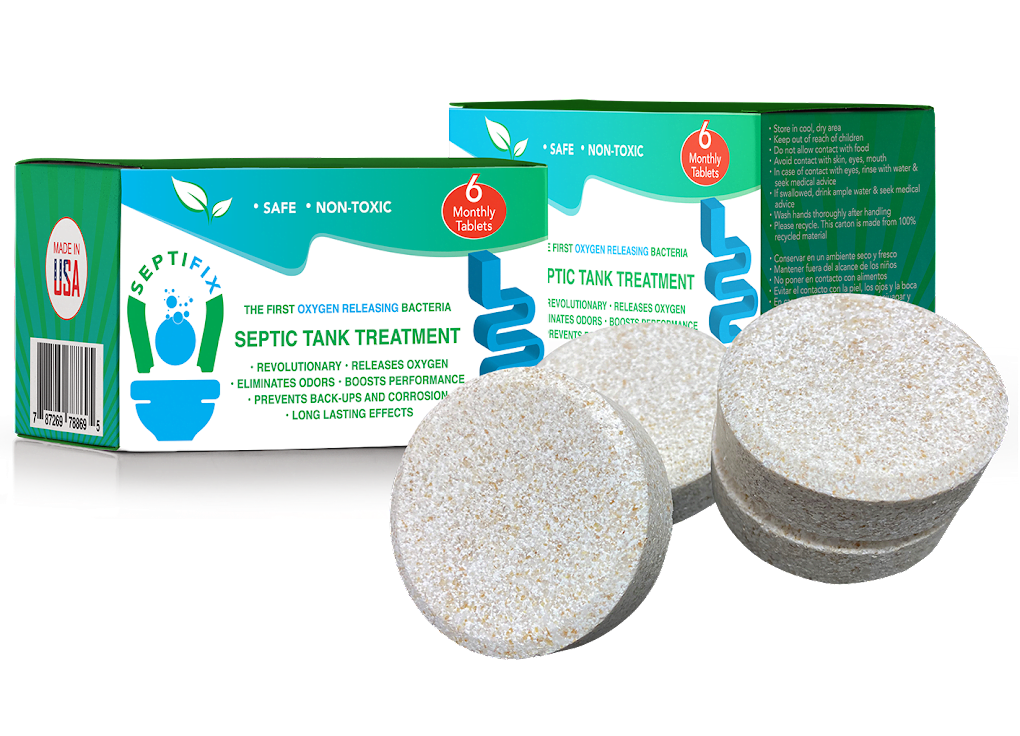
SEPTIFIX will save you hundreds, if not thousands of dollars each year, because your septic system will run smoothly and you won’t have to worry about calling the pumpers or a plumber for a fix!
Click here to save up to 50%