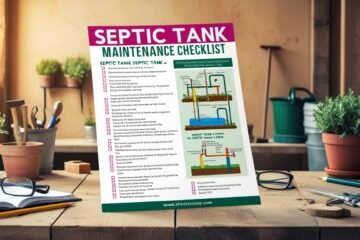
Many homeowners hate paying for septic tank pumping and wonder if there’s a safe way to stretch the time between visits. The answer is yes – as long as you understand how your system works and follow a few smart habits. In this guide, you’ll learn what really determines pumping frequency, how to reduce sludge buildup, and how biological tablets like Septifix can help keep your system cleaner between pumpings.
How Often Do Most Septic Tanks Need Pumping?
Most septic systems need to be pumped roughly every 3–5 years, depending on tank size, household size, and water usage. The real trigger for pumping isn’t a date on the calendar – it’s how much sludge and scum has built up inside your tank.
As sludge (heavy solids) accumulates at the bottom and scum (fats and grease) float at the top, these layers slowly creep toward the outlet. When they get too close, solids can escape into the drain field, clogging the soil and causing extremely expensive damage. The goal is to slow down this buildup so you can safely wait longer before pumping.

What Makes You Need More Frequent Pumping?
If you want to extend the time between pumpings, you first need to know what speeds up sludge and scum accumulation.
- Heavy water use
Long showers, many laundry loads on one day, and leaking fixtures push more water – and solids – through the system, leaving less time for proper settling. - Extra solids and “wrong” items
Wipes, paper towels, feminine products, and food scraps build up quickly because they don’t break down like normal toilet paper and waste. - Grease and oil
Fats and oils float to the top, creating a thick scum layer that reaches the outlet faster if you pour grease down the drain. - Harsh chemicals
Strong cleaners, solvents, and large amounts of bleach can kill the beneficial bacteria that normally digest waste, so sludge builds up faster.
The less of these contaminants end up in your system, the longer you can wait between pumpings without compromising the system.
Step 1: Reduce Water Load on Your Septic System
The easiest way to protect your tank and drain field is to reduce how much water you send into them each day.
Practical water‑saving tips:
- Fix leaking toilets and faucets as soon as you notice them.
- Install low‑flow showerheads and toilets if possible.
- Spread laundry loads throughout the week instead of doing many on one day.
- Avoid running the dishwasher, washing machine, and long showers at the same time.
By lowering water volume, you give solids more time to settle and bacteria more time to work, which slows sludge buildup and helps you go longer between pumpings.
Step 2: Control What You Flush and Pour
Extending pumping intervals is not just about water – it’s also about what you put into the system.
Only flush:
- Human waste
- Septic‑safe toilet paper
Never flush:
- Baby wipes or “flushable” wipes
- Paper towels or facial tissues
- Feminine hygiene products
- Diapers, cotton balls, or swabs
- Dental floss and similar stringy materials
In the kitchen and drains:
- Scrape food scraps into the trash, not the sink.
- Collect cooking grease and oil in a container and throw it away.
- Avoid pouring paints, solvents, strong drain cleaners, or large amounts of bleach down any drain.
By keeping non‑biodegradable items, excess food, grease, and harsh chemicals out of your septic system, you dramatically slow down how quickly sludge and scum accumulate.
Step 3: Use Biological Treatments to Reduce Sludge Buildup
Even when you’re careful, some sludge and scum will always form. This is where biological treatments can help you safely extend the time between pumpings.
How biological treatments work
Good treatments add beneficial bacteria and sometimes oxygen‑releasing compounds to your tank. These help:
- Break down organic solids more completely.
- Digest fats, oils, and paper that would otherwise sit and build up.
- Reduce odor‑causing compounds, which are often a sign of system stress.
Over time, this means less sludge and scum, which can allow you to go longer between pump‑outs – as long as you still schedule regular inspections.
Why Septifix is a strong option
Septifix is a tablet‑based treatment designed to make this biological support as easy as possible for homeowners. You simply flush the tablets according to the instructions, and they dissolve inside your septic tank. The formulation is designed to:
- Release oxygen into the wastewater
Many septic tanks operate in low‑oxygen conditions, which favor smelly, slow‑working bacteria. Septifix releases oxygen, creating a much more favorable environment for beneficial, faster‑working bacteria. - Boost beneficial bacteria that break down solids
With better conditions and added support, bacteria can more effectively digest organic waste, sludge, and paper. This helps keep the sludge layer from growing as quickly. - Help control odors
Septifix helps neutralize odor‑causing gases like hydrogen sulfide. If you notice fewer smells, it’s often a sign that waste is being broken down more efficiently instead of just sitting in the tank.
By using Septifix regularly, you’re actively supporting the biology that makes longer pumping intervals possible.
Step 4: Build a Safe “Extended Pumping” Routine
To safely extend the time between pumpings, you need more than just tablets – you need a complete routine.
A practical routine might look like this:
- Daily / weekly
- Use water efficiently and fix leaks quickly.
- Follow the “toilet rule”: only waste and toilet paper.
- Keep grease, food scraps, and harsh chemicals out of your drains.
- Every month
- Walk over the tank and drain field area; look for wet spots, smells, or unusually green grass.
- Pay attention to new slow drains or gurgling sounds in your plumbing.
- Regularly (as per product instructions)
- Flush Septifix tablets according to your tank size and household size.
- Stick to the recommended schedule—more isn’t necessary; consistent usage is key.
- Every few years
- Have your tank inspected by a professional who measures sludge and scum levels.
- Use these measurements (not guesswork) to decide when pumping is actually needed.
If inspections show that sludge is building up more slowly than expected, your good habits and regular Septifix use are working – and you can confidently extend the time between pumpings without gambling with your drain field.
Step 5: Know When NOT to Delay Pumping
There’s a difference between safely extending the time between pumpings and gambling with your entire system. At some point, waiting longer stops saving you money and starts putting your drain field at serious risk. Here’s when you should stop thinking about “stretching it” and just pump.
1. Your inspection says it’s time
If a septic professional has measured your sludge and scum and tells you the levels are high, that’s your stop sign. When those layers get too close to the outlet:
- Solids can wash into the drain field.
- Pipes and soil can clog.
- You move from a few hundred dollars for pumping to thousands for repair or replacement.
If the report says “pump soon” or “pump now,” do not delay to squeeze out a few more months. That’s the most expensive mistake you can make.
2. You see clear warning signs at home
Even without a recent inspection, certain symptoms mean “no more waiting.” Pumping should be scheduled immediately if you notice:
- Multiple slow drains in the house that don’t respond to simple unclogging.
- Gurgling toilets or drains when you run water or flush.
- Sewage backing up into tubs, showers, sinks, or around floor drains.
- Persistent sewage odors inside or outside, especially near the tank or drain field.
- Wet, soggy, or unusually green patches over the tank or drain field, especially in dry weather.
These are not “monitor and see” situations. They’re signs that your system is under serious stress and solids could already be reaching the drain field.
3. You’ve hit (or passed) your normal pumping window
Even with perfect habits and Septifix tablets helping reduce sludge buildup, time still matters. If:
- It’s been more than 5 years since the last pumping for a typical family home, or
- You bought a house and don’t know when it was last pumped,
then the safe move is to pump and reset the clock. Waiting longer just to “see if you can get away with it” is how small maintenance jobs turn into full system failures.
4. Septifix is for support, not for skipping pumping
Septifix can:
- Help reduce sludge and scum buildup.
- Support healthy bacteria and better breakdown of waste.
- Cut odors that often signal system stress.
But it cannot make a full tank empty or fix a failed drain field. If you’re already seeing warning signs or have a professional telling you the tank is full, using more tablets instead of pumping is the wrong move. Think of Septifix as a way to keep your system cleaner between pumpings, not a way to avoid pumping forever.
5. When in doubt, choose pumping over risk
If you’re on the fence—maybe there are mild smells, occasional gurgles, or you’re slightly past your recommended interval—the safest and cheapest long‑term choice is to pump.
A single pumping visit is a predictable, manageable cost. Ignoring red flags can lead to:
- A ruined drain field
- Yard excavation
- Possible tank replacement
All of that costs many times more than doing the right thing a little earlier.
Use smart habits and Septifix to extend your intervals safely, but the moment inspections or warning signs suggest trouble, stop stretching it and schedule that pump‑out.
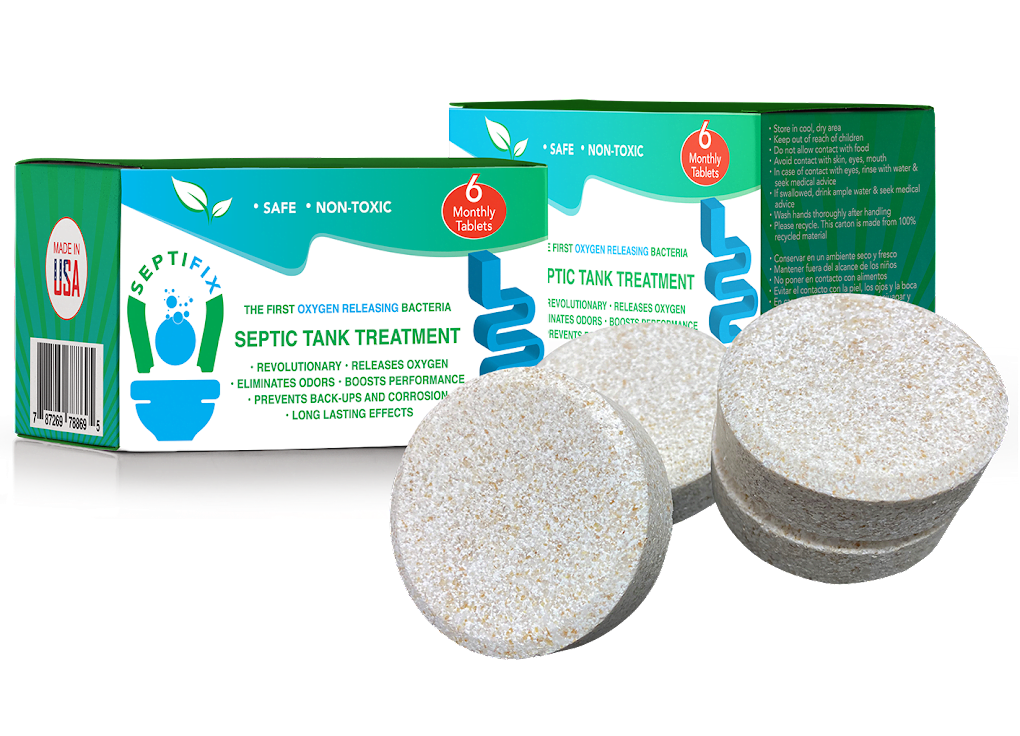
SEPTIFIX will save you hundreds, if not thousands of dollars each year, because your septic system will run smoothly and you won’t have to worry about calling the pumpers or a plumber for a fix!
Click here to save up to 50%