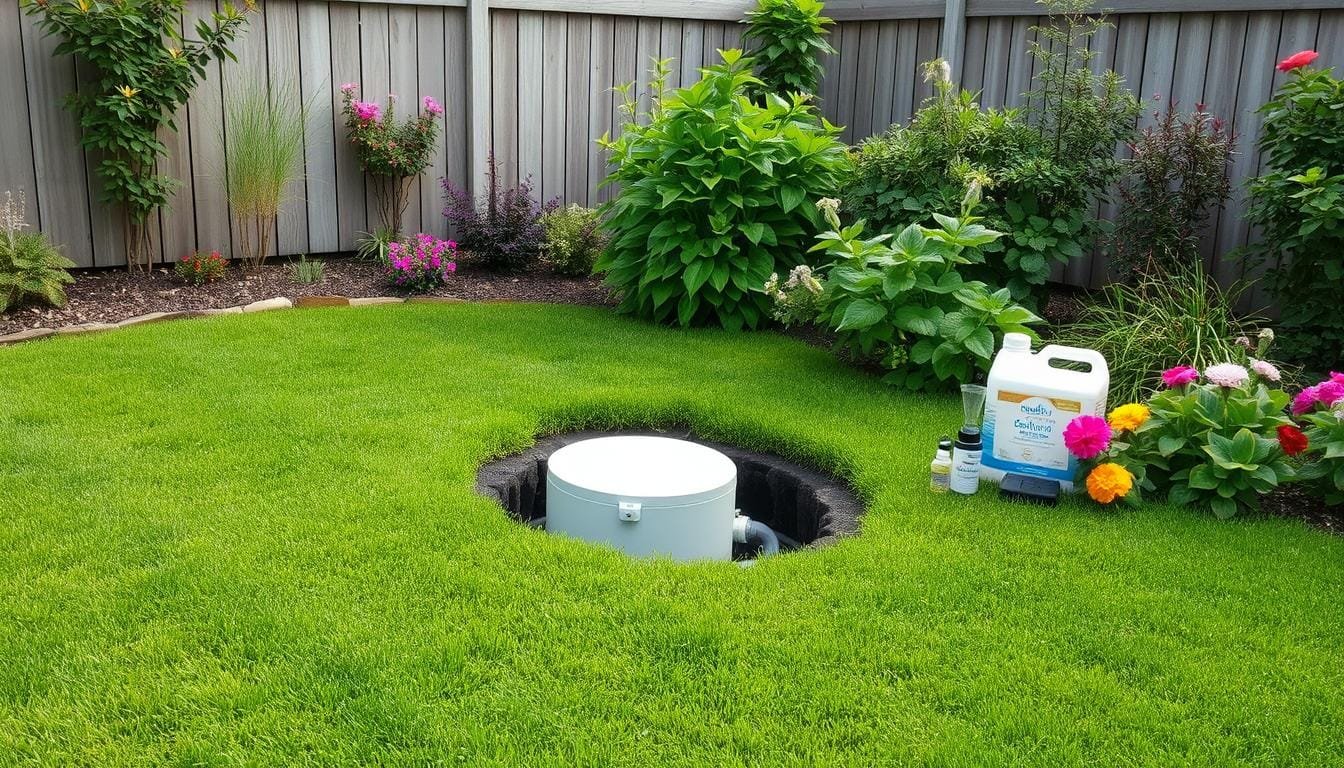
A healthy septic system quietly does its job for years in the background. But a few common homeowner mistakes can turn that quiet system into a disaster that costs thousands of dollars in repairs, backups, and even full system replacement. The good news: most of these mistakes are easy to avoid once you know what to look for.
In this guide, you’ll learn the most expensive septic tank mistakes, how to avoid them, and how a simple treatment like Septifix can help protect your system between pumpings.
Mistake #1: Flushing the Wrong Things
One of the fastest ways to destroy a septic system is to treat your toilet like a trash can. Even items labeled “flushable” can cause serious damage over time.

SEPTIFIX will save you hundreds, if not thousands of dollars each year, because your septic system will run smoothly and you won’t have to worry about calling the pumpers or a plumber for a fix!
Click here to save up to 50%
Why this mistake is so expensive
Non‑biodegradable items and excess solids:
- Don’t break down properly inside the tank.
- Clog inlet and outlet baffles.
- Force solids into the drain field, where they clog pipes and soil.
Once a drain field is badly clogged, you’re often looking at thousands of dollars for repair or replacement.

What you should never flush
Make it a strict rule: the toilet is only for human waste and toilet paper. Never flush:
- “Flushable” or baby wipes
- Paper towels or napkins
- Feminine hygiene products
- Diapers
- Dental floss, cotton swabs, or makeup pads
- Condoms or any plastic items
Putting a small trash can next to every toilet and explaining the rules to family and guests can literally save your system.
Mistake #2: Neglecting Regular Pumping and Inspections
Your septic tank slowly fills with sludge and scum. If you never pump or inspect it, you’re gambling with your drain field.
What happens when you wait too long
Over time:
- Sludge builds up at the bottom.
- Scum thickens at the top.
- These layers creep closer to the outlet of the tank.
If they reach the outlet before you pump, solids start flowing into the drain field. That’s when you see:
- Slow drains and gurgling toilets
- Sewage backing up into the house
- Wet, smelly spots in the yard
Repairing or replacing a damaged drain field can cost many times more than decades of regular pumping.
A simple schedule that avoids big bills
For most households:
- Have the system inspected every 1–3 years.
- Plan to pump the tank every 3–5 years, adjusted for tank size, household size, and usage.
Keeping a record of each pumping and inspection helps you stay ahead of problems and avoid surprise failures.
Mistake #3: Overloading the System With Water
Septic systems are designed to handle a certain amount of wastewater each day. Constantly pushing more water through than it can handle is a silent system killer.

SEPTIFIX will save you hundreds, if not thousands of dollars each year, because your septic system will run smoothly and you won’t have to worry about calling the pumpers or a plumber for a fix!
Click here to save up to 50%
How too much water costs you money
When you overload the system with water:
- Solids don’t have time to settle properly in the tank.
- Sludge gets stirred up and pushed toward the drain field.
- The drain field becomes saturated and can no longer absorb effluent.
The result: soggy, smelly yards, frequent backups, and expensive repairs.
Easy ways to reduce water load
You can protect your system and lower your utility bills by:
- Fixing leaking toilets and faucets immediately.
- Installing low‑flow showerheads and toilets.
- Spreading laundry loads out over the week instead of doing many on one day.
- Avoiding long, back‑to‑back showers when the system is already under heavy use.
Think of every gallon you save as extra time and breathing room for your septic system.
Mistake #4: Pouring Grease, Oil, and Harsh Chemicals Down the Drain
Many homeowners assume “it’s just liquid, it’ll be fine.” In a septic system, that assumption can be very expensive.
The hidden damage from grease and chemicals
- Grease and oil cool and solidify in pipes, causing clogs and restricting flow.
- In the tank, fats and oils float to the top and add to the scum layer, which can reach the outlet faster.
- Harsh chemicals (bleach, strong cleaners, drain openers, solvents) kill the beneficial bacteria that break down waste.
With fewer bacteria and more hardened grease, solids build up faster and the system becomes prone to odor, clogs, and failure.
Better habits that protect your tank
Instead of pouring things down the drain:
- Collect cooking grease and oil in a container and throw it in the trash.
- Wipe greasy pans with a paper towel before washing.
- Use septic‑safe, biodegradable cleaners whenever possible.
- Reserve strong chemicals and disinfectants for rare, necessary situations and use them sparingly.
Protecting your bacteria population is one of the cheapest ways to extend your system’s life.
Mistake #5: Building, Parking, or Planting on Top of the System
Out of sight often means out of mind — until a driveway, patio, or tree roots destroy your septic components.
How this mistake turns into a big bill
- Parking cars, trucks, RVs, or heavy equipment over the tank or drain field compresses the soil and can crack pipes and tank lids.
- Building decks, sheds, or patios over the system makes it difficult or impossible to access for pumping and repair.
- Tree and shrub roots invade pipes and tanks, causing leaks, blockages, and structural damage.
Repairing crushed pipes or a cracked tank, or relocating a drain field, can quickly move into the multi‑thousand‑dollar range.
Simple rules to avoid it
- Never park vehicles on or near the tank and drain field.
- Don’t build permanent structures over any part of the septic system.
- Keep deep‑rooted trees well away from the system; if in doubt, ask a professional where your components are located before landscaping.
Keeping the area light, open, and easy to access is a long‑term investment in your system’s health.
Mistake #6: Ignoring Early Warning Signs
Small symptoms often appear long before a septic system completely fails. Ignoring them is a very costly mistake.
Warning signs you should never ignore
Call a professional if you notice:
- Multiple slow drains in the house.
- Gurgling sounds in toilets or drains when water is running.
- Sewage smells inside or outside the home.
- Standing water, soggy patches, or unusually green grass over the drain field.
Catching problems early often means a simple pumping or minor repair instead of a total system failure.
Mistake #7: Relying on “Miracle Fixes” Instead of Proper Maintenance
There are many products that promise to “fix” your septic system without pumping or professional help. The truth: no product replaces pumping and inspections.
However, the right type of treatment can support your system and help prevent some of the conditions that lead to expensive problems.
How Septifix Helps You Avoid These Costly Mistakes
While you still need to follow basic rules (pumping, inspections, careful flushing, and water use), a well‑designed biological treatment can give your system extra protection. This is where Septifix comes in.
What is Septifix?
Septifix is a tablet‑based septic tank treatment designed for homeowners who want an easy way to support their system between professional pumpings. You simply flush the tablets according to the instructions and they dissolve inside the tank.
The formulation is designed to:
- Release oxygen into the wastewater, creating a more favorable environment for beneficial bacteria.
- Support the breakdown of organic waste, paper, fats, and grease, helping to reduce sludge and scum buildup.
- Neutralize odor‑causing compounds, helping combat the smells that often come from overloaded or poorly maintained systems.
How Septifix helps prevent expensive mistakes
Used regularly as part of a smart maintenance routine, Septifix can help you:

SEPTIFIX will save you hundreds, if not thousands of dollars each year, because your septic system will run smoothly and you won’t have to worry about calling the pumpers or a plumber for a fix!
Click here to save up to 50%
- Recover after minor mistakes
If your household sometimes overuses water or occasionally sends more grease or solids into the tank than ideal, a strong bacterial and oxygen boost helps your system catch up and break waste down more efficiently. - Protect your drain field
By helping reduce sludge and scum accumulation, Septifix lowers the risk that solids will reach and clog the drain field — one of the most expensive septic failures a homeowner can face. - Control odors before they signal serious damage
Bad smells are often a warning sign of system stress. Regular Septifix use helps reduce odor‑causing gases, so you’re less likely to live with constant smells or miss early clues that something is wrong.
How to use Septifix in a practical routine
A simple way to integrate Septifix into your maintenance plan:
- Continue to pump every 3–5 years as advised for your system.
- Maintain good habits: only flush waste and toilet paper, avoid grease and harsh chemicals, and use water efficiently.
- Use Septifix tablets on a regular schedule (for example, monthly or as recommended for your tank size) to keep bacteria levels high and support ongoing waste breakdown.
Think of Septifix as an affordable insurance layer: it doesn’t replace professional care, but it helps your system stay cleaner, less smelly, and more resilient between service visits.
Turn Thousands in Costs Into a Simple Routine
Most septic tank disasters don’t happen overnight. They build up slowly through small, repeated mistakes: the wrong things down the toilet, skipped pumpings, heavy water use, and harsh chemicals.
By:
- Avoiding the common mistakes in this article,
- Sticking to a simple inspection and pumping schedule, and
- Supporting your system with a targeted treatment like Septifix,
you dramatically reduce the risk of a failure that can cost you thousands — and keep your septic system quietly doing its job for many years.

SEPTIFIX will save you hundreds, if not thousands of dollars each year, because your septic system will run smoothly and you won’t have to worry about calling the pumpers or a plumber for a fix!
Click here to save up to 50%