
Many homeowners know they should pump their septic tank, but they have no idea how often or what really affects the schedule. In this guide, you’ll learn how a septic tank works, how often most systems need pumping, what can shorten or extend that interval, and what you can do to avoid expensive failures.
How a Septic Tank Works (In Simple Terms)
When wastewater from your home flows into the septic tank, it naturally separates into three layers:
- Solids sink to the bottom and form sludge.
- Fats, oils, and grease float to the top as scum.
- In the middle is the relatively clear effluent, which flows out to the drain field.
Bacteria in the tank break down part of the solids, but not all of them. Over time, sludge and scum build up. If these layers get too thick, they can overflow into the drain field, clogging it and causing backups or system failure. Pumping the tank removes this buildup before it gets to that point.
General Pumping Guidelines
There is no single schedule that works for every home, but there are some common rules of thumb:
- Many households need their septic tank pumped every 3 to 5 years.
- Very small households with a large tank may go longer.
- Larger families with a small tank may need pumping more often.
These numbers are only guidelines. What actually matters is when the sludge and scum layers get so thick that solids can escape into the drain field. The safest way to know when to pump is to have a professional measure sludge and scum levels, not just to count years.
What Affects How Often You Need Pumping?
Several key factors determine how quickly sludge and scum build up in your tank.
1. Tank size vs. number of people
A large tank serving two people fills much more slowly than a small tank serving a family of five. As a rough idea:
- Small tank + many people = shorter pumping interval.
- Large tank + few people = longer pumping interval.
If you recently moved into a home, try to find out the tank size and ask the previous owner when it was last pumped. This gives you a starting point.
| People | 750 gal | 1,000 gal | 1,500 gal | 2,000 gal |
|---|---|---|---|---|
| 1 | 5.5 | 9.5 | 10 | 10 |
| 2 | 2.5 | 4.5 | 7.5 | 10 |
| 3 | 1.5 | 2.5 | 4.5 | 6.5 |
| 4 | 1 | 2 | 3.5 | 4.5 |
| 5 | – | 1.5 | 2.5 | 3.5 |
| 6 | – | 1 | 2 | 3 |
(–) = undersized.
2. Daily water use
The more water you send into the system, the faster it pushes solids toward the outlet and into the drain field. Heavy water use can shorten the time between pumpings. Things that increase water load include:
- Long showers and many baths.
- Multiple laundry loads on the same day.
- Leaking toilets and faucets that run constantly.
Reducing water use helps protect your system and can extend the time between pumpings.
3. Solids and what you flush
Even with a good tank, too many solids will quickly build up the sludge layer. You should:
- Only flush human waste and toilet paper.
- Avoid wipes (even “flushable” ones), paper towels, feminine products, cotton swabs, and diapers.
- Scrape food scraps into the trash instead of washing them down the sink.
If you use a garbage disposal heavily, you’ll usually need more frequent pumping because it sends more solids into the tank.
4. Chemicals and cleaning products
Harsh chemicals can kill the beneficial bacteria in your tank. With fewer bacteria, waste breaks down more slowly and sludge builds up faster. Try to:
- Use septic‑safe, mild cleaning products where possible.
- Avoid pouring paint, solvents, strong drain cleaners, and large amounts of bleach down the drain.
Protecting the bacterial balance helps the system work more efficiently between pumpings.
Warning Signs That Your Tank Needs Pumping Soon
Instead of guessing, watch for these common warning signs that your septic tank is overdue for service:
- Slow drains in multiple fixtures, even after basic unclogging attempts.
- Gurgling sounds in toilets or drains when water is running.
- Sewage backups into sinks, showers, or toilets.
- Wet or soggy areas and strong odors over the septic tank or drain field.
- Persistent septic odors inside or outside your home.
Don’t wait for the scheduled interval if you see these signs. They mean the tank is already at or past its limit. Call a professional for an inspection and likely a pumping as soon as possible.
Typical Costs of Septic Tank Pumping
Pumping costs vary by region, tank size, and how difficult it is to access the tank, but in many areas:
- A standard residential pumping visit costs far less than major repairs.
- Replacing or rebuilding a failed drain field can cost many thousands of dollars.
When you compare regular pumping costs to the price of a new system or drain field, it’s clear that preventative maintenance is much cheaper than dealing with a failure.
How to Extend the Time Between Pumpings (Without Damaging Your System)
You should never try to avoid pumping forever, but you can safely extend the interval by taking care of your system. Here are practical steps:
1. Reduce water usage
Small changes in your daily habits can make a big difference:
- Fix leaking toilets and faucets quickly.
- Install low‑flow showerheads and toilets.
- Spread out laundry across the week instead of doing many loads in one day.
Less water going into the tank means less stress and more time for waste to settle and break down.
2. Be strict about what you flush and pour
A simple household rule helps protect the system:
- Toilet: only human waste and toilet paper.
- Kitchen: wipe greasy pans with a paper towel before washing, and put grease and food scraps in the trash.
- Drains: avoid dumping chemicals, oils, paints, and solvents.
These habits keep unnecessary solids and harmful substances out of the tank.
3. Support healthy bacteria with biological treatments
To work properly, a septic tank depends on billions of bacteria that digest organic waste. Biological treatments are products that add bacteria and nutrients to support this natural process. Over time, they can:
- Help reduce sludge and scum buildup.
- Improve breakdown of fats and organic material.
- Support smoother, more efficient operation between pumpings.
They are not a replacement for pumping, but they can help your system stay cleaner and more stable between service visits.
Using Septifix to Support Your Septic System
Septifix is a tablet‑based septic tank treatment designed to be easy for homeowners to use. You simply flush the tablets according to the instructions, and they dissolve in the tank. They are formulated to:
- Release oxygen into the wastewater, creating a more favorable environment for beneficial bacteria.
- Support the breakdown of organic waste, sludge, and scum that would otherwise build up faster.
- Help reduce odors, which often appear when the system is overloaded or the bacteria are struggling.
Septifix is a helpful routine, not a replacement for pumping. It supports the bacteria in the tank and can help keep buildup and odors under control between service visits. Used regularly, along with careful water and flushing habits, many homeowners find their system stays cleaner and more stable, which can reduce the chance of problems that would force very frequent pumpings.
Always follow the dosing instructions on the label, especially regarding tank size and household size. Using more than recommended doesn’t speed up results, and the correct dosage is enough to support the system.
Simple Maintenance Checklist for Homeowners
To keep your septic system healthy and know when pumping is needed, follow this easy checklist:
- Every year
- Have a professional inspect the system (tank, baffles, and drain field).
- Ask them to measure sludge and scum levels so you know how close you are to needing a pump‑out.
- Every 3–5 years (or as recommended for your system)
- Schedule pumping before sludge and scum get too close to the outlet.
- Keep records of each service date and what the technician observed.
- Every month
- Walk over the area above the tank and drain field and look for wet spots or strong smells.
- Pay attention to new slow drains or gurgling sounds.
- All the time (daily habits)
- Save water where you can.
- Watch what you flush and pour down the drain.
- Use a biological treatment such as Septifix regularly to support the natural breakdown of waste.
When You Should Not Delay Pumping
Some situations mean you shouldn’t wait, even if you were hoping to stretch the interval:
- An inspection shows that sludge or scum is very close to the outlet or baffles.
- You experience repeated backups or hear frequent gurgling in several fixtures.
- There are clear signs of trouble in the drain field, such as standing water and strong sewage odor.
Delaying pumping at this stage can allow solids to reach and damage the drain field, turning a simple maintenance visit into a much larger and more expensive repair.
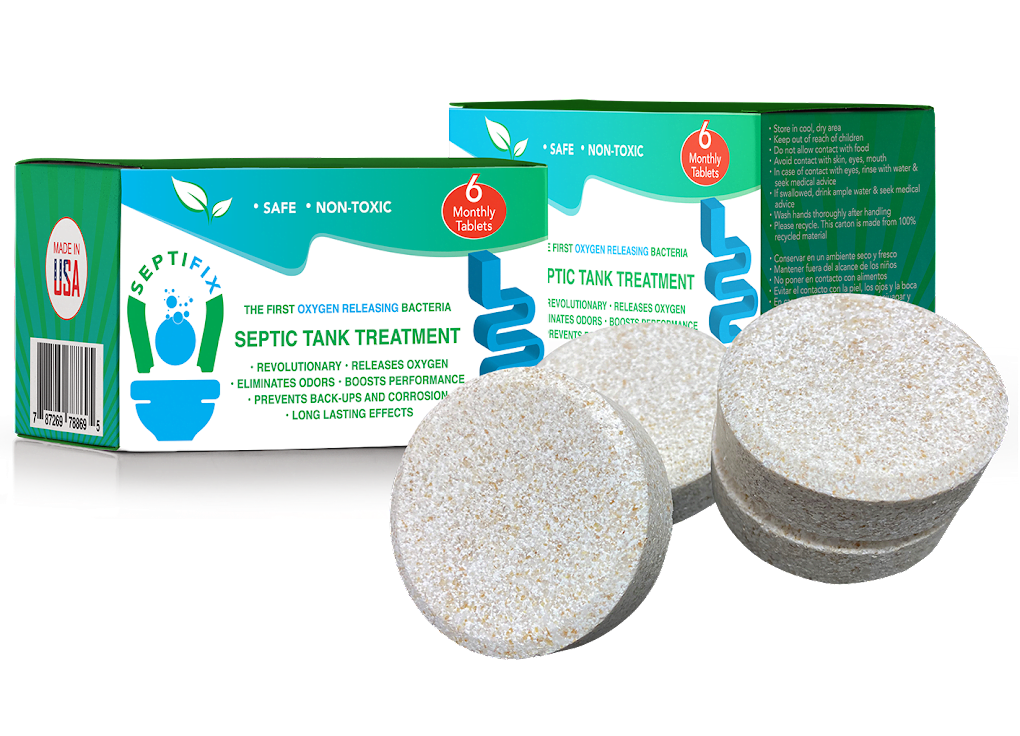
SEPTIFIX will save you hundreds, if not thousands of dollars each year, because your septic system will run smoothly and you won’t have to worry about calling the pumpers or a plumber for a fix!
Click here to save up to 50%